Leading Arborist Services Florence SC Service
Learn about the Essential Services Offered by a Professional Arborist for Healthy Trees
A professional arborist provides numerous services essential for keeping trees healthy and improving landscapes. Their expertise in tree pruning stimulates development and mitigates hazards. They also identify and treat tree diseases, ensuring tailored treatment plans are implemented - Florence Arborist. Additionally, arborists handle safe tree removals and can assist with planting and transplanting. Their role is especially important during critical situations like storm damage. Understanding these services can greatly impact one’s approach to tree care
The Necessity of Tree Pruning
Although many homeowners may overlook the importance of tree pruning, it serves a vital function in preserving the health and aesthetics of trees. Proper pruning assists trees in building a strong structure, removing dead or diseased branches that could create hazards. By judiciously pruning limbs, the tree can focus its energy on healthy growth, promoting better air circulation and sunlight penetration. Additionally, pruning can improve the look of the tree, shaping it for aesthetic appeal in residential landscapes.
Moreover, regular pruning can prevent potential hazards, such as dropped branches during storms or high winds, which could damage property or injure individuals. It also aids in the prevention of pest outbreaks and diseases by enhancing the tree's hardiness. Ultimately, hiring professional arborists for tree pruning makes sure trees are kept healthy, safe, and attractive, greatly contributing to the overall beauty and value of the property.
Identifying and Treating Tree Diseases
Tree health can be considerably affected by different illnesses that may not always be instantly obvious. A professional arborist serves a vital function in identifying these issues promptly, utilizing a combination of visual inspections and assessment instruments. Symptoms such as discolored leaves, wilting, or unusual growth patterns often point to underlying wellness concerns. Arborists examine these indicators to identify specific diseases, whether fungal, bacterial, or viral in nature.
Following the diagnosis, the arborist develops a specific treatment strategy. This may include specific applications, such as fungicides or bactericides, and maintenance techniques that boost the tree's resistance. Additionally, correct hydration, the application of mulch, and nutrition helps greatly enhance tree health and ability to fight off illness. Consistent observation and subsequent care are essential for successful control, ensuring the longevity and vitality of the trees. By addressing tree diseases proactively, professionals preserve the ecological advantages and visual appeal of thriving trees.
Safe Tree Removal Practices
Safe tree extraction techniques are necessary to ensure the safety of the crew and limiting harm to surrounding property. Qualified professionals utilize a thorough assessment of the state of the tree, where it is situated, and the immediate vicinity prior to starting the extraction. Arborists use specific tools, such as ropes and cutting tools, to make clean incisions and manage the tree during its descent.
A thoughtful felling approach requires recognizing risks, such as structures or overhead wires, which can impact the safety of the operation. Arborists often use a technique called "sectional dismantling," in which the tree is removed in small sections, lessening the hazard posed by dropping wood.
Furthermore, arborists adhere to local rules and standards to ensure adherence and responsible environmental care. After the removal, proper cleanup and disposal of the remaining wood and brush, stump treatment as well, contribute to the overall safety and look of the landscape.
Guidelines for Tree Installation
The process of tree establishment requires careful consideration of site selection and installation methods to guarantee long-term health and successful establishment. An appropriate setting greatly affects a tree's development, while proper planting methods reduce trauma and aid in successful rooting. Tree specialists highlight these elements as vital for boosting the vigor and longevity of trees in all environments.
Choosing the Right Location
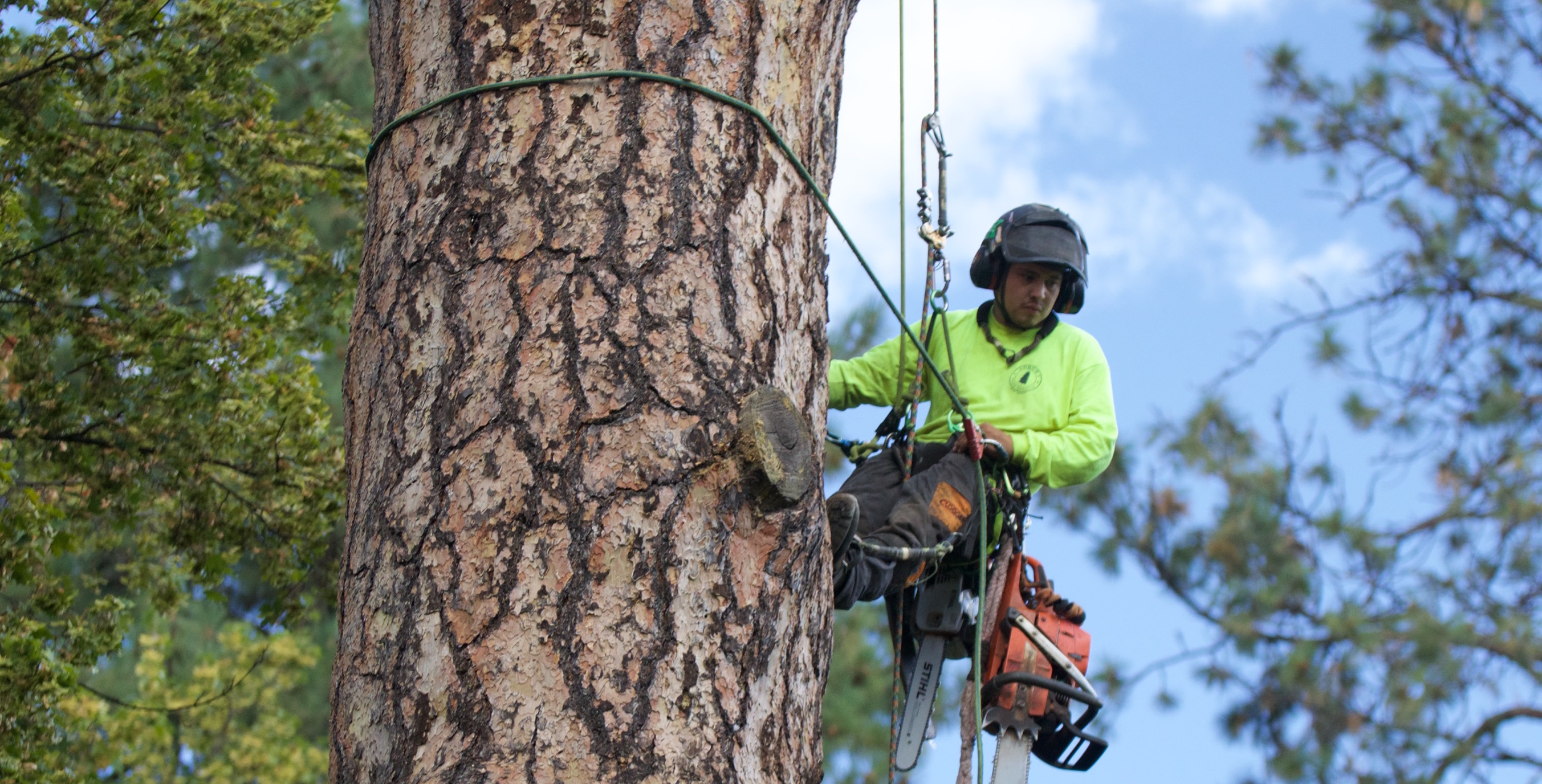
Choosing the right location for relocating or establishing trees is critical to their future development and vitality. Elements like soil quality, the amount of sun, and water runoff must be thoroughly assessed. Trained tree experts examine the specific site conditions, to guarantee that the planting location offers sufficient nourishment and proper foundation for the trees. Additionally, the proximity to existing structures and surrounding flora is critical to avoid resource contention and steer clear of future injury. Arborists also consider the tree’s maximum height and width and underground network, making sure there is ample room to expand. Via an in-depth assessment of the location, these experts help clients reach educated conclusions that promote healthy, thriving trees, ultimately enhancing the landscape’s beauty and environmental worth.
Ideal Planting Techniques
When the planting spot is meticulously reviewed and picked, the subsequent phase requires applying the best tree installation practices. Meticulous digging of the hole is essential; it should be double the diameter of the root system and not deeper than the root mass. The tree should be placed in the hole so that the upper surface of the roots aligns with the existing grade. Backfill with native soil, checking that all voids are filled, and irrigate completely to encourage early root growth. Adding a layer of mulch near the trunk helps retain moisture and inhibit unwanted growth. Florence Arborist. When relocating established trees, it’s important to minimize root disturbance and relocate the plant in its resting phase for the highest rate of success. Following these techniques promotes robust development and long life
Responding to Storm-Related Tree Hazards
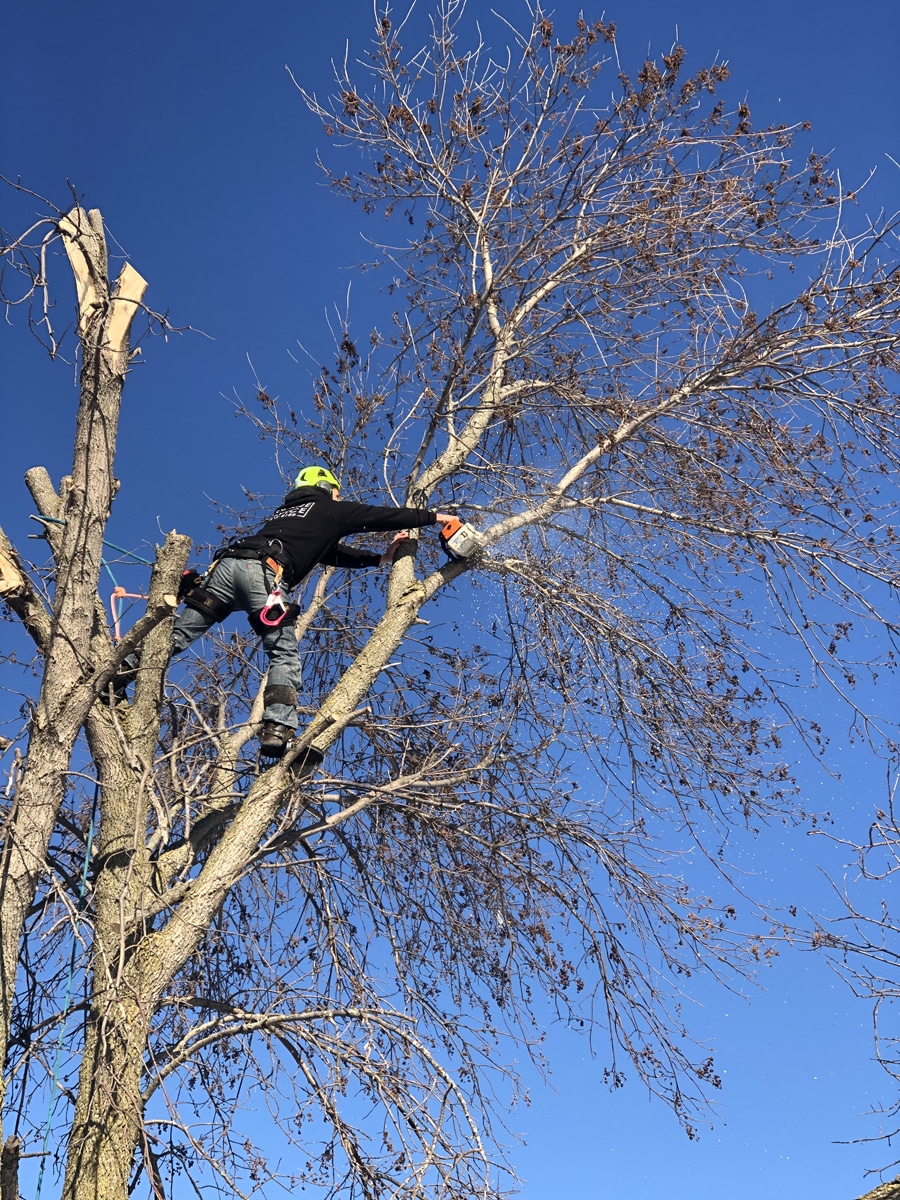
When major tempests hit, the resultant conditions may leave trees in perilous conditions, posing risks to property and safety. Certified tree experts are crucial in emergency response, inspecting weather-damaged trees to gauge their soundness and condition. With their skill, they can discern which trees can be salvaged and which pose imminent hazards that need to be taken down.
Armed with the right gear, arborists can safely prune broken branches and clear debris, preventing subsequent injury to surrounding areas. They also provide valuable advice on risk mitigation, such as choosing sturdy types of trees for upcoming installations.
Apart from the initial cleanup, tree specialists assist clients in grasping the potential long-term effects of storm damage, offering guidance on recovery and rehabilitation. Through quick and effective action, certified tree experts safeguard assets but also aid in the recovery of the local environment following major weather events.
Nutrient Assistance and Soil Management
In the wake of storm damage, attention turns to the well-being of the trees that remain, underscoring the importance of nutritional support and ground care. A certified tree specialist evaluates ground quality and tree health to determine precise nutrient requirements. Trees need essential nutrients, such as nitrogen, phosphorus, and potassium, to recover and thrive following stressful periods.
Soil management is vital to how nutrients are accessed and the growth of roots. Arborists may recommend soil amendments, like organic matter, to improve soil structure and microbial activity. The correct pH balance are also evaluated, as they impact how nutrients are absorbed.
Using mulching methods can help the soil hold water and prevent weed growth, fostering a perfect setting for tree recovery. With a detailed feeding regimen and applying successful ground care techniques, arborists make certain trees recover their vigor, resilience, and overall health, a factor essential to keeping the environment stable following major environmental events.
Common Queries
What is the Recommended Inspection Frequency?
Trees should ideally be inspected once a year for peak health. Yet, more frequent evaluations could be needed for younger trees, after severe weather events, or if distress or illness becomes apparent.
What Qualifications Should I Look for in an Arborist?
When seeking an arborist, one should look for credentials such as ISA (the ISA) accreditation, proven track record, adequate protection, and a strong reputation locally, confirming knowledge in arboriculture and safety practices.
Do Arborists Utilize Special Equipment for Tree Care?
Arborists utilize various specialized tools for tree care, such as chainsaws, pruning shears, climbing gear, and stump grinders. Every piece of equipment has a distinct function, facilitating good care, pruning, and tree extraction and boosting total well-being and safety.
In What Ways Does the Weather Impact Tree Health?
The climate significantly affects tree health; excessive rain can lead to root rot, while drought stresses trees. Temperature extremes can lead to the destruction of leaves and branches, consequently impacting growth, sturdiness, and total comprehensive resource vitality of the trees.
Should I handle my own tree maintenance, or Should I Hire a Professional?
Although certain simple tree maintenance jobs are manageable by homeowners, calling in a specialist is frequently the best option - Florence Arborist. Experts possess specialized knowledge and tools, ensuring that trees receive the proper care necessary for peak growth and vitality